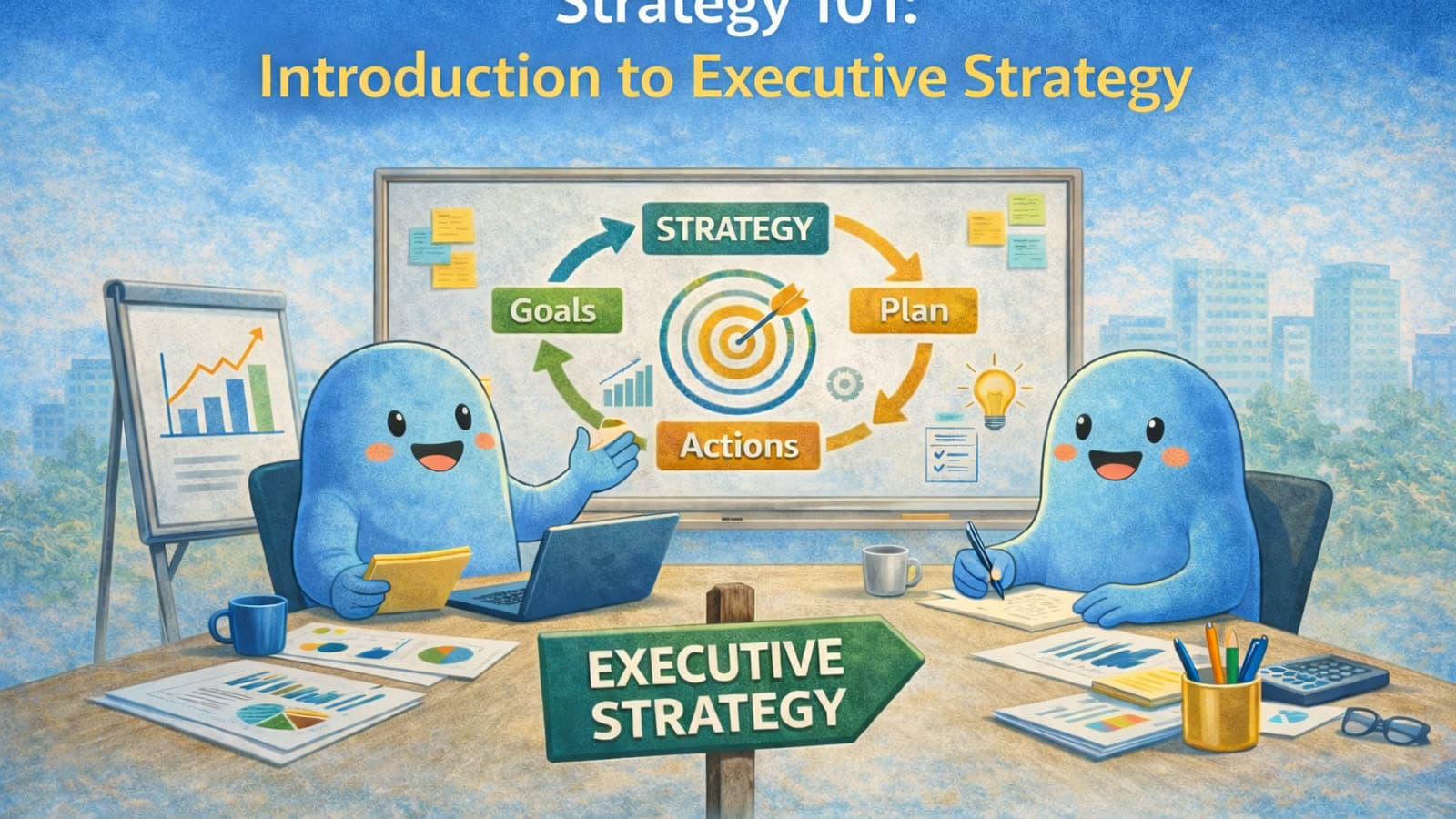
Operational strategy involves "defining the long-term direction of an organization and establishing the priorities that guide daily operations." It creates a structured approach for determining organizational goals and ensuring resources align with objectives.
The strategy process examines organizational goals, the operating environment, and internal capabilities. This evaluation helps establish what the business aims to achieve, how progress will be measured, and which actions support desired outcomes.
Strategic Goals and Organizational Direction
Strategic goals form the foundation of operational strategy by describing the organization's intended direction over a defined timeframe. These goals serve as reference points for decision-making, priority organization, and opportunity assessment.
Effective strategic goals connect to the organization's mission and maintain realistic expectations. They guide decisions across operations, staffing, finances, and service delivery, enabling efficient effort direction and stable organizational course.
Priorities and Decision Structure
Operational strategy involves selecting priorities that determine work performance. Priorities help leaders identify high-impact activities supporting long-term objectives, informing scheduling, budgeting, project selection, and decision-making patterns.
A consistent decision structure reduces confusion and reactive responses while ensuring decisions follow documented approaches. This supports productivity and maintains predictable outcomes across all organizational functions.
Why Operational Strategy Matters
Strategy influences organizational clarity, operational efficiency, and long-term growth by establishing employee expectations, outlining progress benchmarks, and coordinating cross-organizational activities. Well-developed strategy provides direction and stability.
Without strategy, organizations face inconsistent expectations, duplicated efforts, and adaptation difficulties. Executive strategy provides necessary structure for documenting goals, defining responsibilities, and maintaining alignment between daily operations and long-term objectives.
Want help putting this into practice?
Our team handles accounting, HR, and operations for small businesses nationwide.
Book a Free Consultation