Learning Center
Resources for running a better business
Plain-English guides on accounting, bookkeeping, payroll, HR, taxes, and strategy, written by our team for small business owners.
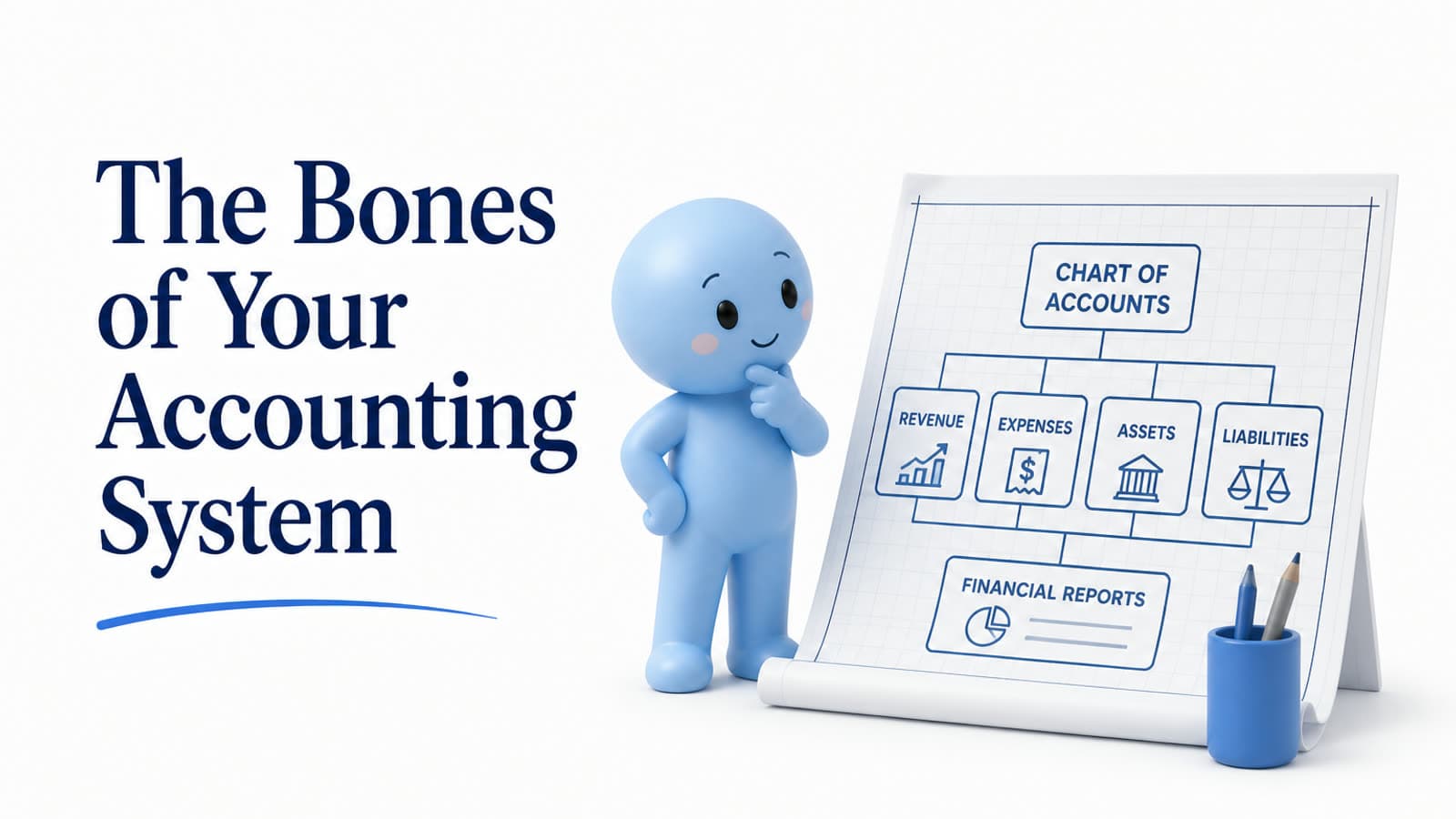
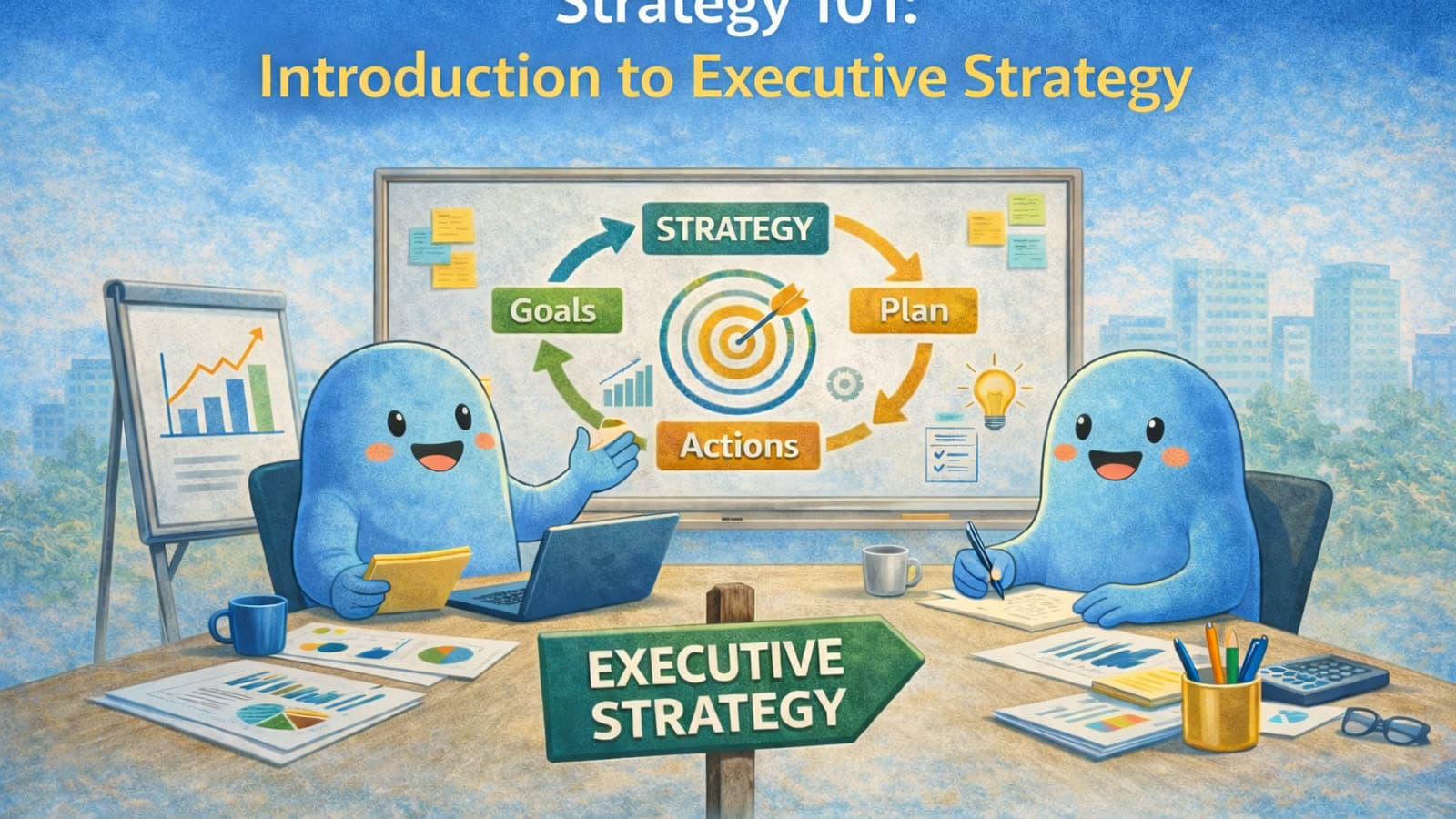
Strategy 101: Intro to Operational Strategy
Operational strategy defines the long-term direction of an organization and sets the priorities that guide daily operations, aligning resources with objectives. It gives businesses clarity, efficiency, and stability for long-term growth.
HR 101: Welcome to Human Resources
Human resources is the organizational function responsible for managing people and the systems that support the employment relationship, from recruiting and onboarding to compliance and retention. This intro covers what HR is, how it has evolved, and how it helps organizations and employees.

The Better Business Blueprint: Part 5 - Let's Go!
With your business open and operating, your role shifts from setup to actively managing what you've built. This phase focuses on running day-to-day operations, tracking your finances, and refining processes as you prepare to grow.

The Better Business Blueprint – Part 4: Bringing the Blueprint to Life
With your business formation complete and officially recognized by the state, it's time to tackle the federal, state, and operational steps that take your business from "formed" to fully ready to operate. This guide walks through the next 10 things you need to do to get your business started.

Better Business Blueprint: Step 3 – Formation
This step is simple: register your business with your state's Secretary of State, which is what legally creates your business. After filing, a short waiting period follows, and this guide explains how to use that time productively before moving on to federal steps like your EIN.
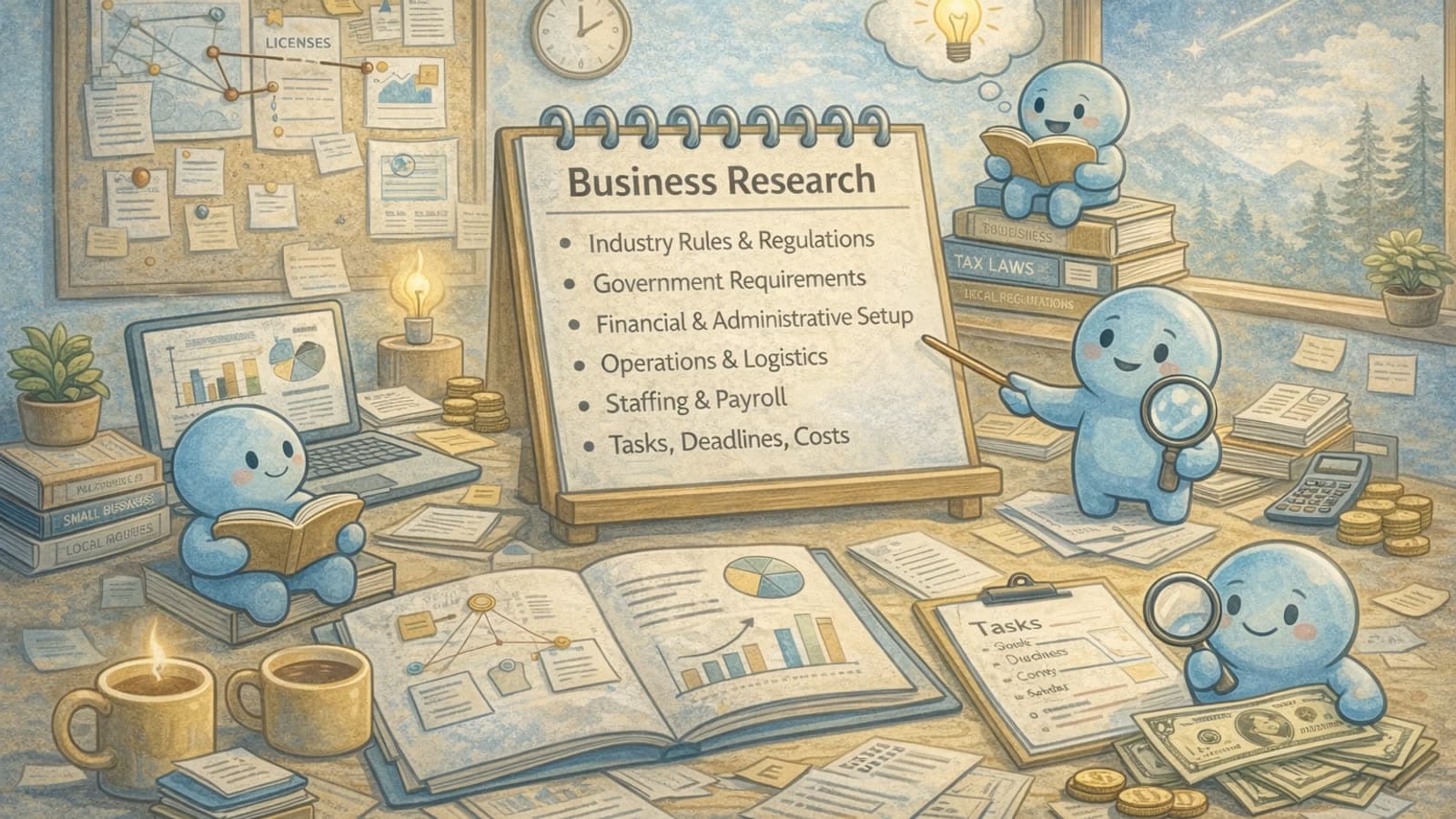
The Better Business Blueprint: Part 2 – Research, Research, Research
After establishing your business purpose, the essential next step is thorough research. This preparation covers legal, financial, operational, and staffing requirements so your business is built on a solid foundation rather than guesswork.

The Better Business Blueprint: Part 1 - What Is Your Purpose?
Before naming, branding, or pricing a business, you need clarity on your purpose. This article walks through understanding what you want to fix, who you are, and how aligning the two creates a sustainable business.
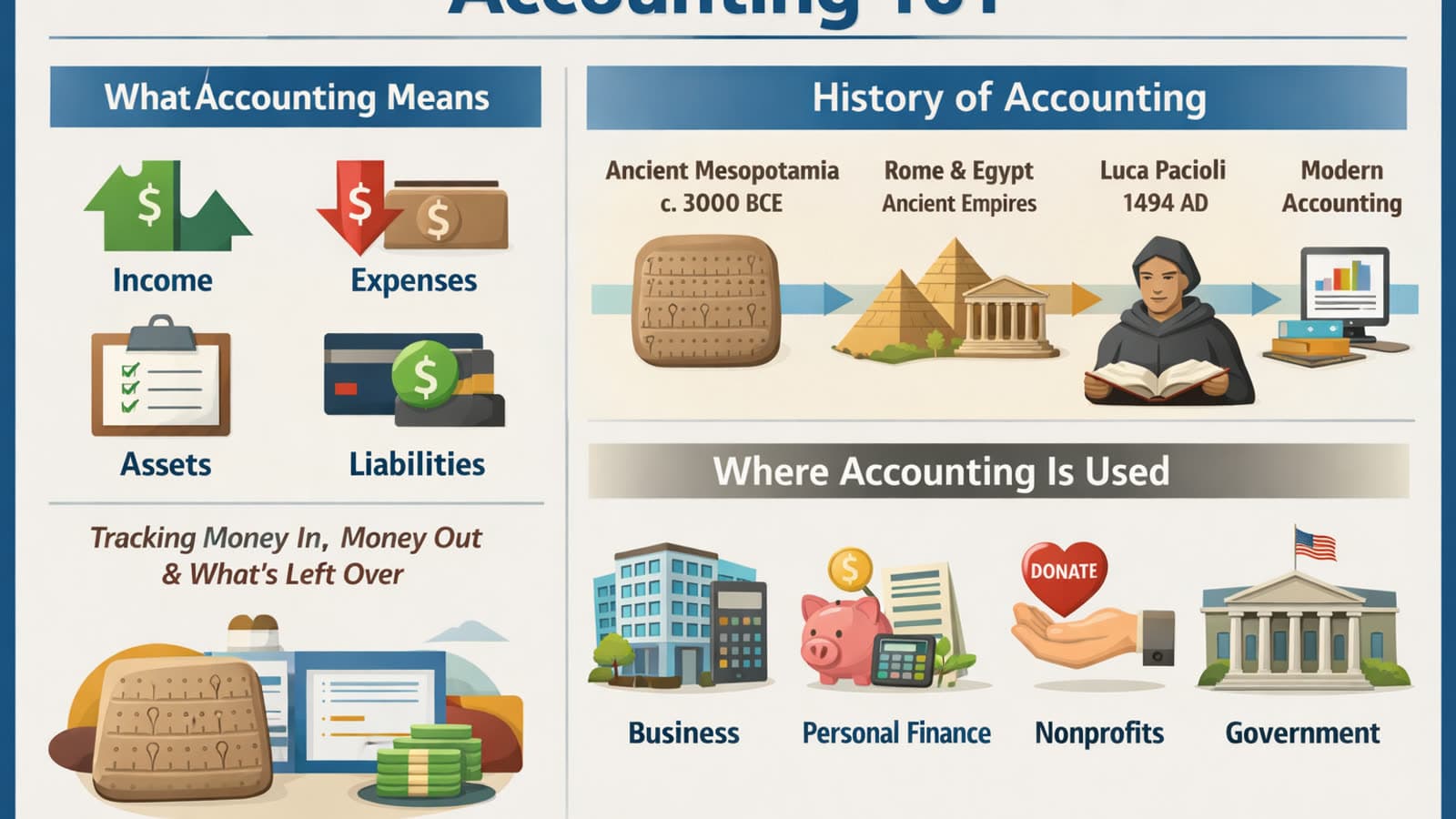
Accounting 101: Welcome to Accounting
An introduction to accounting as the organized process of identifying, measuring, and recording financial activity. It covers what accounting is, its history from ancient Mesopotamia to modern double entry bookkeeping, and where it is used.
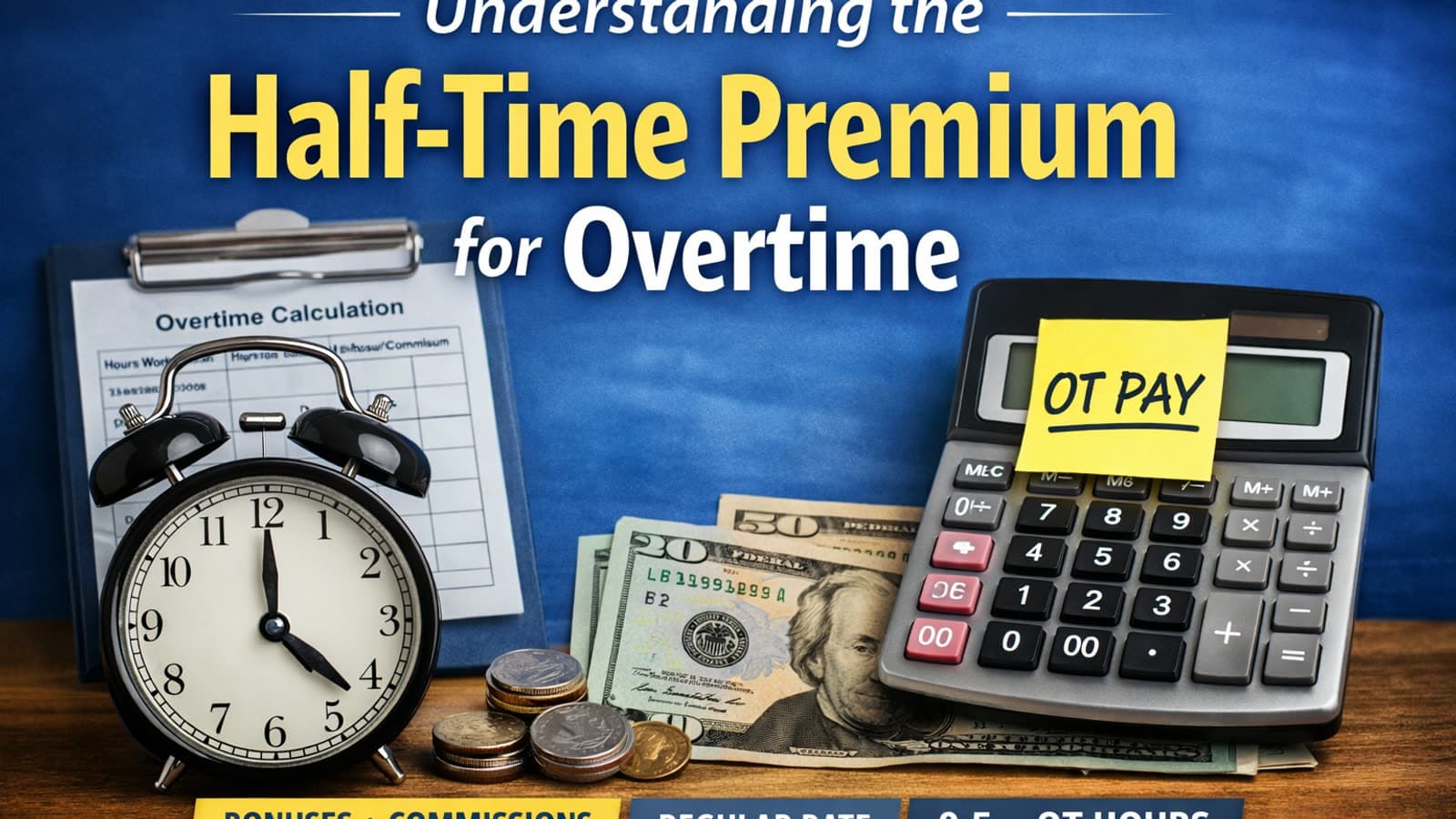
Half-Time Premium: Simple Overtime Guide
A super-simple guide for small business owners on the half-time premium: when overtime pay must be recalculated because employees earn commissions or non-discretionary bonuses. It explains the federal rules and the formula in plain English.
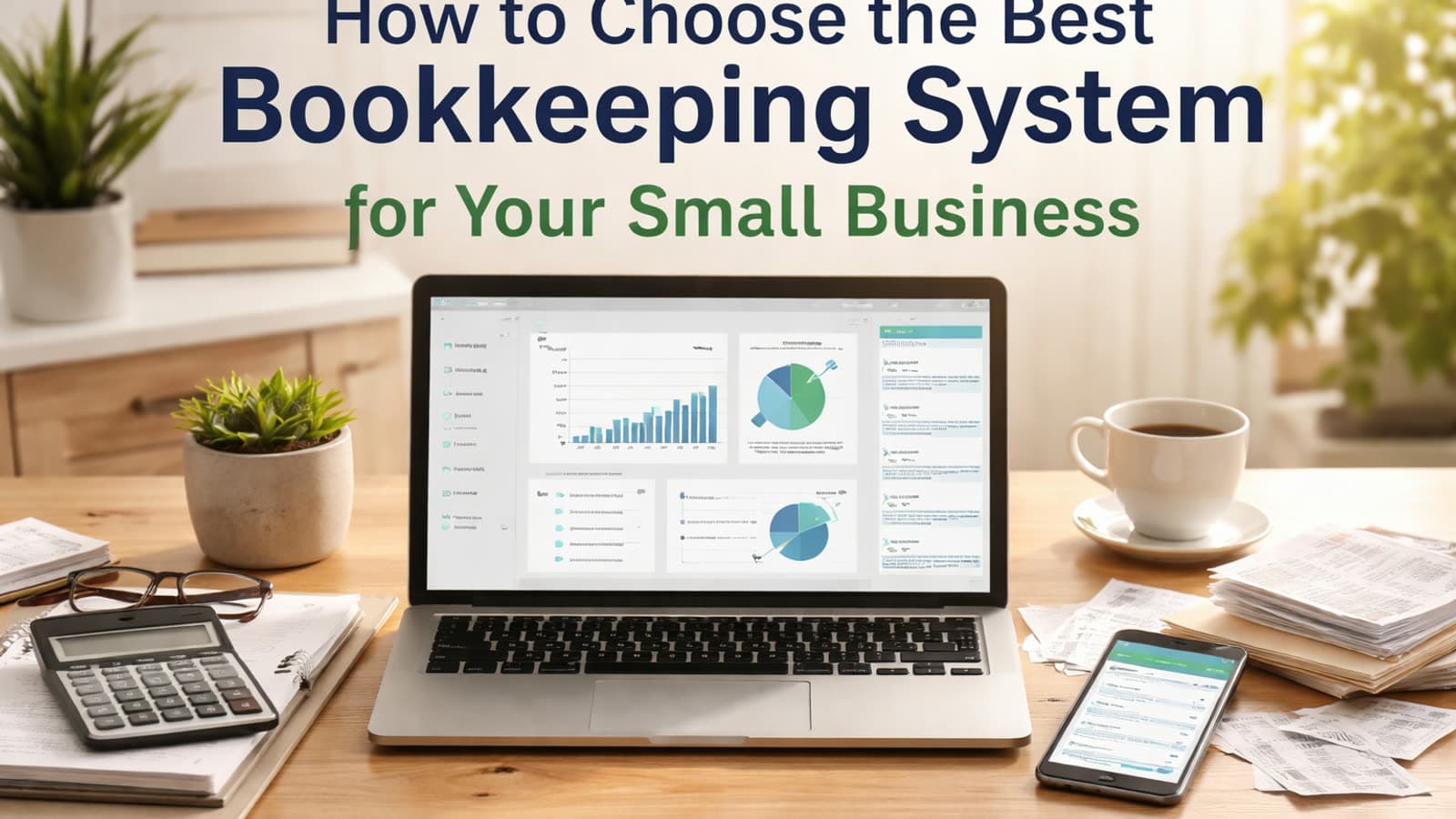
Choosing the Right Software for Your Small Business
A guide to selecting the best bookkeeping tools for a small business, comparing spreadsheets, cloud accounting software, and expense-tracking apps. It explains how to choose based on business size, industry, and user skill level.

Why Separating Personal and Business Finances Is Crucial for Legal Protection and Clean Bookkeeping
Separating personal and business finances protects business owners legally, simplifies tax reporting, and makes bookkeeping far easier. This article covers the legal and tax benefits, real-life examples, and practical steps to keep accounts separate.
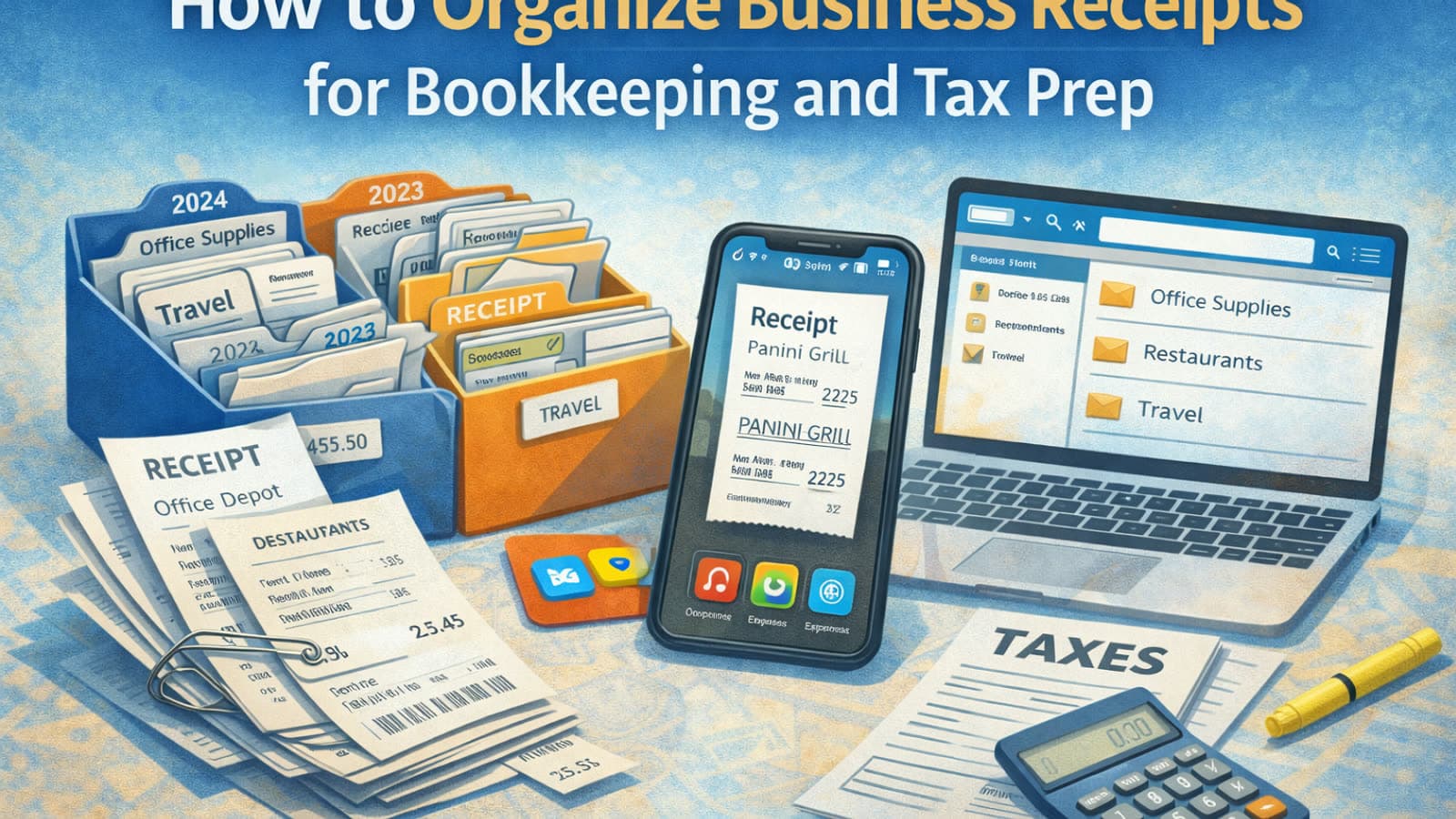
How to Organize Business Receipts for Bookkeeping and Tax Preparation
Keeping business receipts organized is a key part of strong bookkeeping and accurate expense tracking. A simple paper and digital receipt management system helps small businesses stay organized, improve accuracy, and remain prepared in the event of an IRS audit.
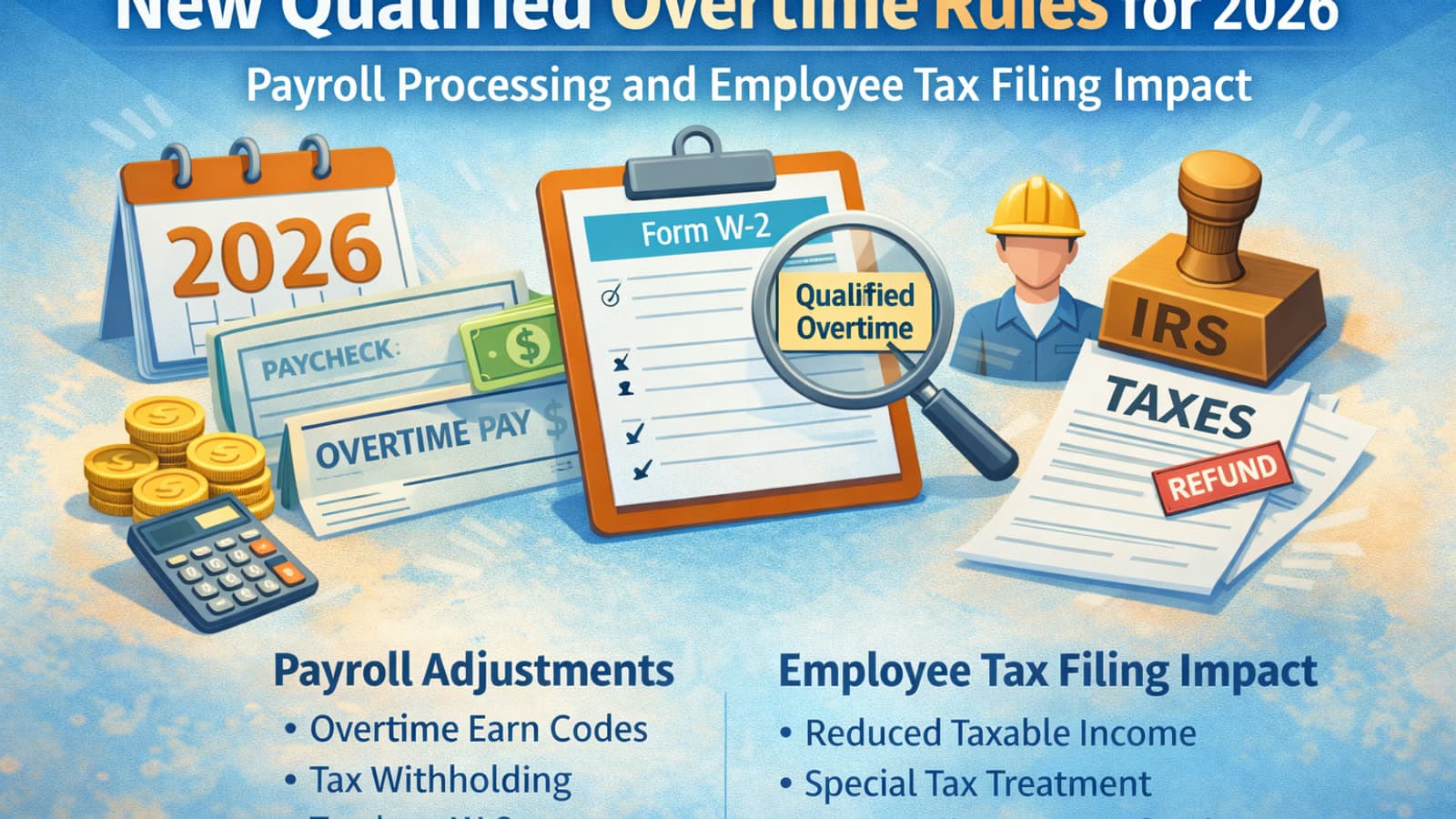
New Qualified Overtime Rules for 2026: Payroll Processing and Employee Tax Filing Impact
New qualified overtime rules are changing how certain overtime wages are treated for payroll reporting and employee income tax filing. Employers must understand how these updates affect withholding, reporting, and employee expectations for 2026.
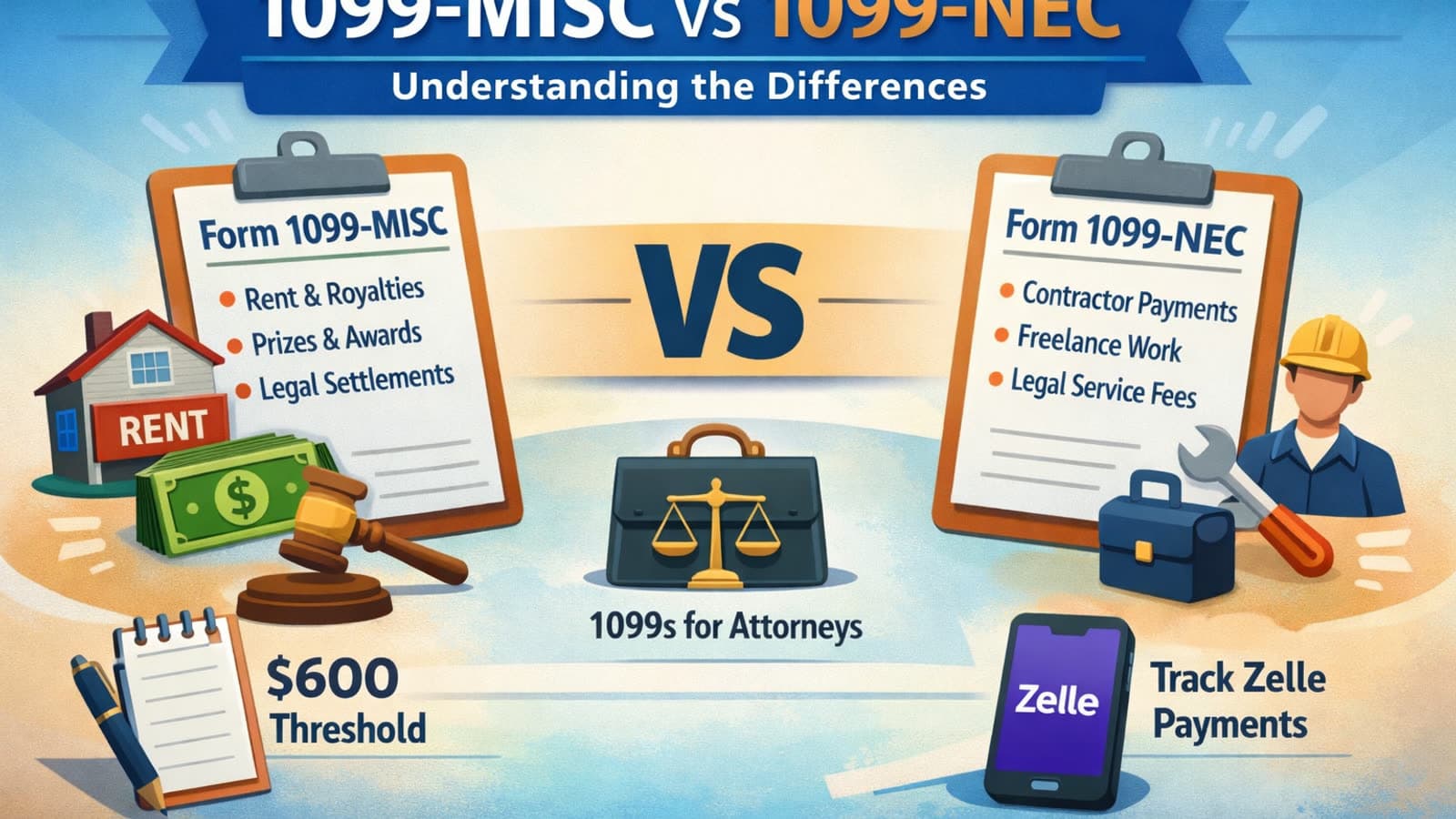
Understanding the Differences Between 1099-MISC and 1099-NEC for Tax Reporting
The IRS requires businesses to report payments made to non-employees using 1099 forms. Understanding the difference between 1099-MISC and 1099-NEC, including the $600 threshold, is crucial for accurate tax reporting.
Get Started
Have a question these do not answer?
Talk to a real person on our team. No pressure, no jargon.
Book a Free Consultation